
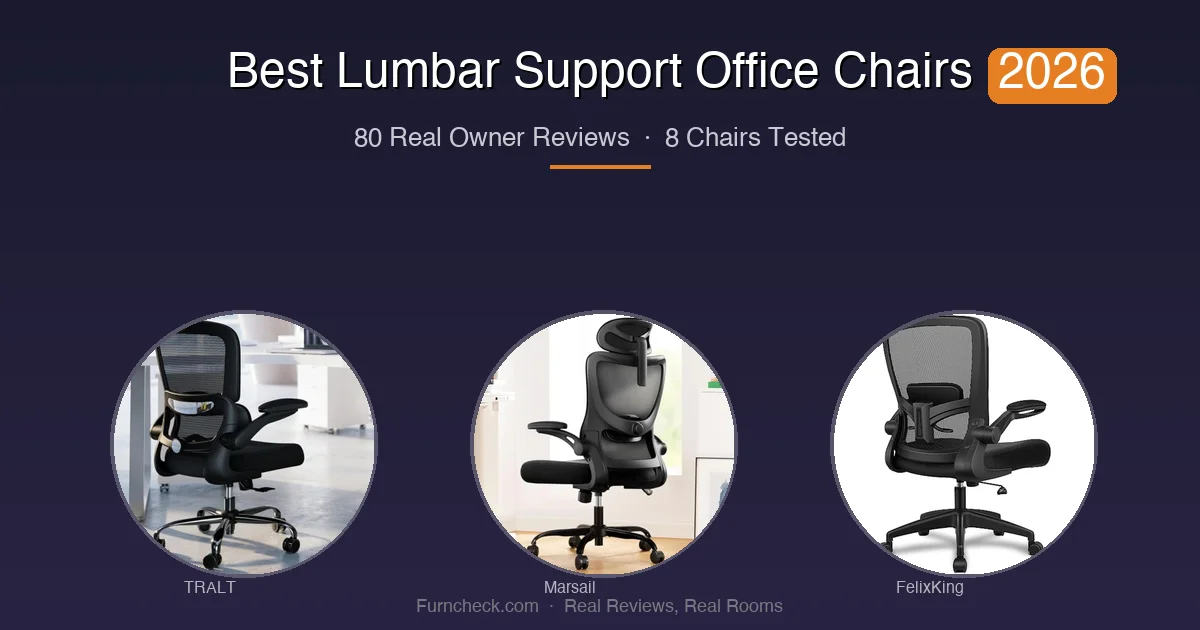
Quick Answer
The TRALT Ergonomic Office Chair ($170) is the best lumbar support office chair overall. Its adjustable lumbar moves both up/down and in/out, and reviewers who compared it to chairs costing $1,000-2,000 said it performed better.
For back pain sufferers, the Marsail Ergonomic Office Chair ($180) is the standout — one reviewer with multiple herniated discs reported sitting all day without pain aggravation. The thick cushion seat provides extra support that mesh-only chairs cannot match.
For the best budget lumbar support office chair, the FelixKing ($110) delivers decent adjustable lumbar at the lowest price. It is not a premium chair, but it keeps backs straight for hours of work.
Comparison Table
| Product | Price | Lumbar Type | Weight Cap | Best For | Score | Amazon |
|---|---|---|---|---|---|---|
| FelixKing | $110 | Adjustable height | 250 lbs | Budget pick | B+ | Buy |
| Vigosit | $60 | Compact, Petite | 250 lbs | Petite users | B | Buy |
| TRALT | $170 | Height + depth | 300 lbs | Best overall | A | Buy |
| COLAMY | $170 | Inflatable pump | 300 lbs | Executive look | B | Buy |
| SIHOO M57 | $190 | 4-way adjustable | 330 lbs | Heavy users | B | Buy |
| Marsail | $180 | Adjustable height | 300 lbs | Back pain | B | Buy |
| HON Ignition 2.0 | $413 | Adjustable height | 300 lbs | Commercial grade | C+ | Buy |
| FLEXISPOT ErgoX | $420 | Dynamic knob | 300 lbs | Premium pick | C | Buy |
Best Lumbar Support Office Chair — Full Reviews
We analyzed 80 verified Amazon reviews across eight office chairs focused on lumbar support effectiveness. The key finding: lumbar adjustability matters more than any other feature.
1. TRALT Ergonomic Office Chair — Best Overall ($170)
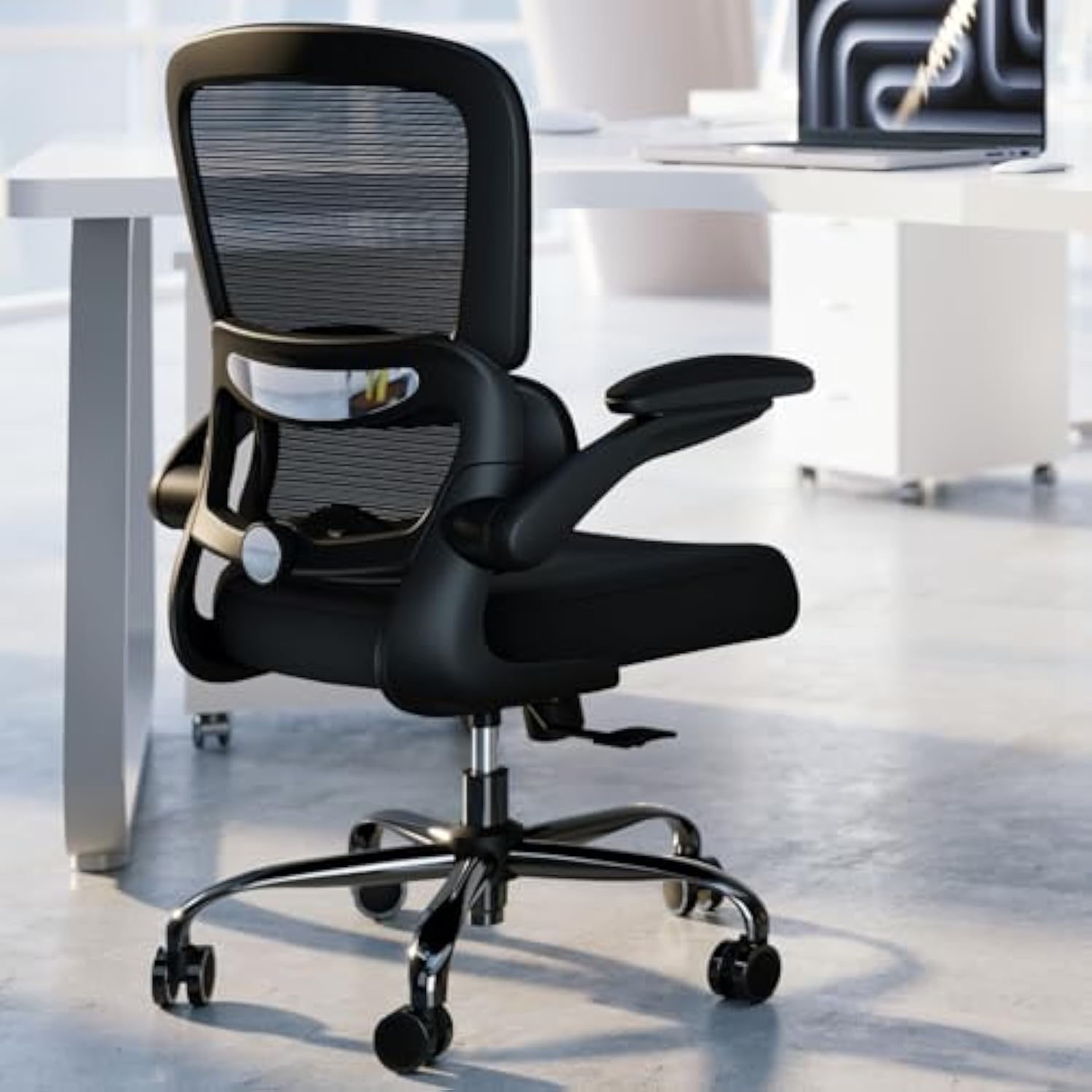
The top-rated chair for lumbar support in our lineup. Its lumbar adjusts both vertically and in/out — a rare feature in this price range. One reviewer said the lower back adjustment “works great, I like it better than my X-Chair at work”.
Another noted their “lower back used to get sore after a few hours, but that hasn’t really been an issue since switching”. You can back it off or push it forward depending on how much pressure you need.
Assembly takes 20-25 minutes with clear instructions. The chair feels “very well made and sturdy” with quality that belies its $170 price tag. For average frames around 5’9” and 170 lbs, the seat depth and back support hit the right balance.
Lumbar limitation: Only rated height adjustment on paper, but reviewers confirm depth works too. This inconsistency between specs and actual performance is worth noting.
The arms slide too easily and cannot lock in place. Taller users may find them too low, and the lack of a locking mechanism means they shift during use. This is a common complaint across this price tier.
Wheel quality is inconsistent — some units arrive with flat spots that prevent smooth rolling on glass mats. Check your wheels immediately upon receipt.
Verdict: The best chair for lumbar support in this price range. Adjustable depth is the key differentiator, and reviewers consistently confirm it works.
2. Marsail Ergonomic Office Chair — Best for Back Pain ($180)
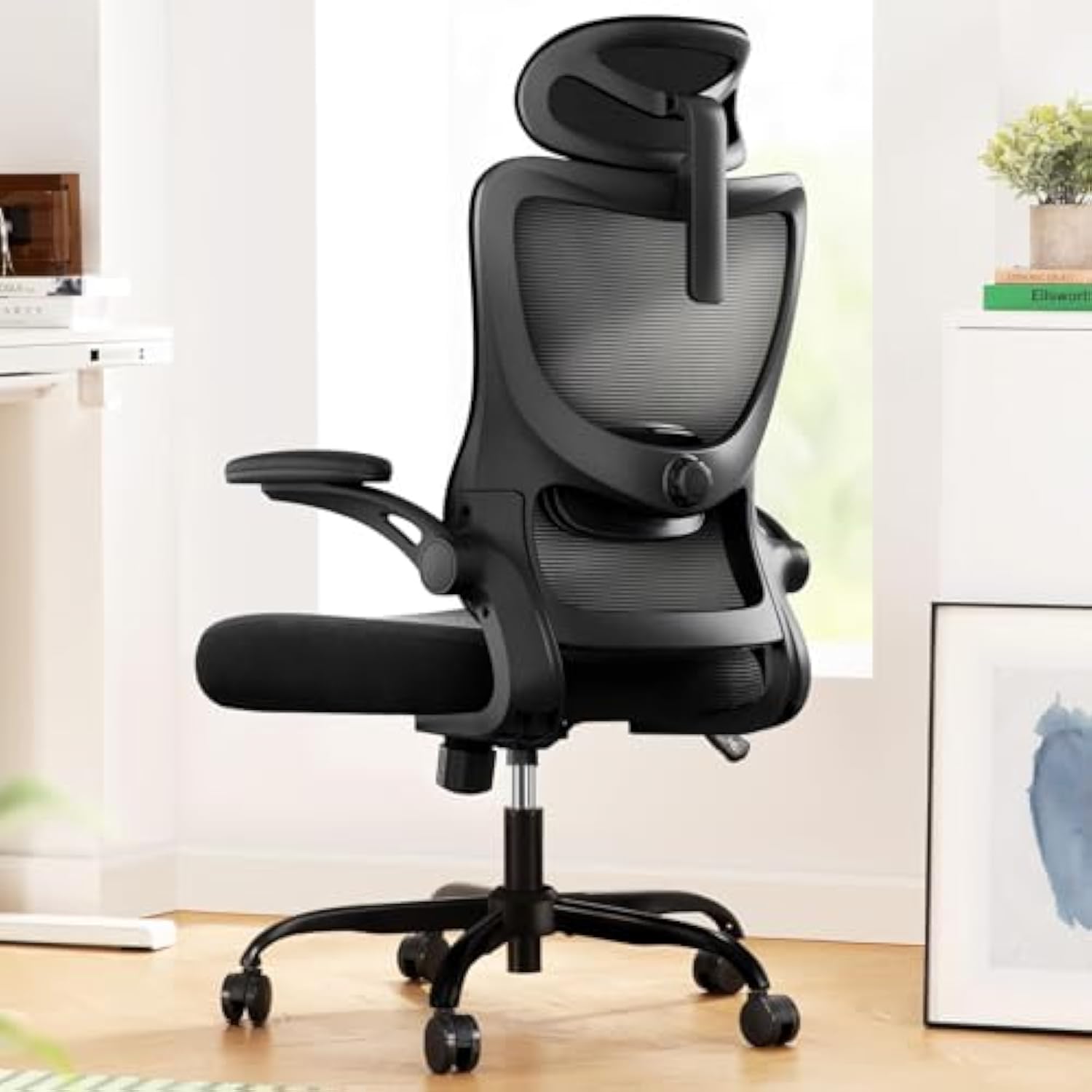
The top pick for anyone with back pain or herniated discs. One reviewer with multiple herniated discs wrote: “this chair is a lifesaver. I don’t even realize I’ve sat multiple hours straight without pain”.
Another used it to study for the bar exam — sitting 8-14 hours a day. The thick cushion seat makes the difference compared to mesh-only chairs.
At 6’2” and 275 lbs, one reviewer confirmed the seat is “roomy” and handles his weight without issues. The mesh back provides airflow while the padded seat stays comfortable throughout the day. For heavy users, this is one of the most accommodating options in the mid-range tier.
No true recline lock — only a rocking mode that requires twisting a knob under the seat to adjust. If you want to lock the back at a specific angle, this chair cannot do it.
Headrest pushes your head forward instead of supporting it naturally. At 5’5”, one reviewer could not reach the headrest at all. Consider removing it entirely if it causes neck strain.
Arms are poorly designed — too short, sticky material, and no locking mechanism. At this price, arm quality should be better.
Verdict: The top chair for back pain sufferers. The thick cushion + lumbar combo works where mesh-only chairs fall short.
3. FelixKing Ergonomic Office Chair — Best Budget Pick ($110)
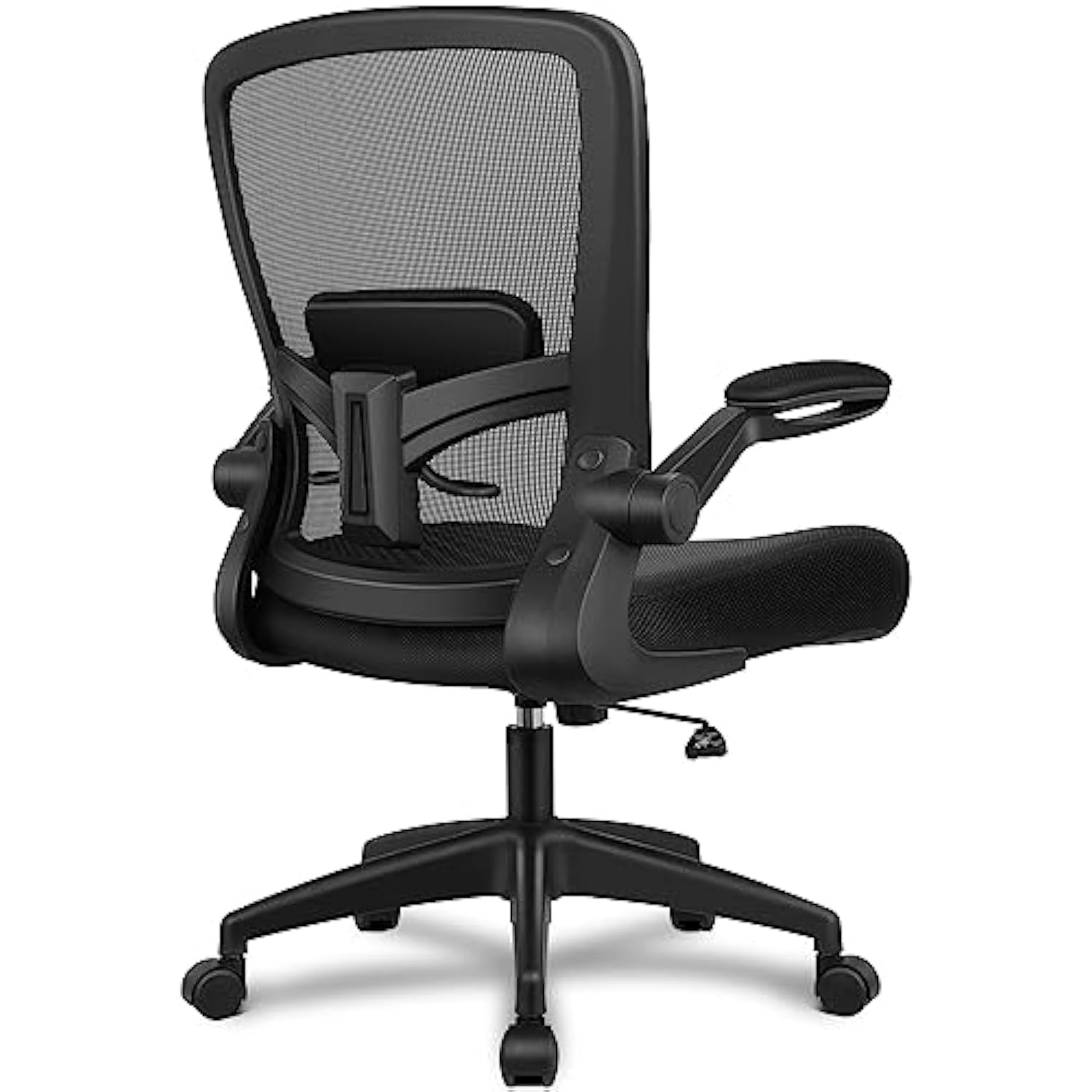
The cheapest option with functional lumbar support. Assembly takes 10-30 minutes — one reviewer did it in 10 minutes. The adjustable lumbar support “helps reduce back fatigue during long work sessions”, and flip-up armrests make it easy to slide under desks.
One buyer said it “doesn’t compare to the Herman Miller Aeron” but “for the money, it is fairly good quality”.
The mesh back keeps users cool, and the chair “keeps my back straight” according to multiple reviewers. At $110, it is the best budget option for back support.
Lumbar only adjusts for height, not depth. One reviewer wanted it to “move in and out” for better support. The support is “nice but I don’t feel like it does a whole lot”. If you need serious lumbar pressure, budget for the TRALT or Marsail.
Armrests are uncomfortable — rough material that leaves imprints on elbows, with almost no cushioning. At 5’10”, one reviewer found them too low.
Recline lever slips — it comes unstuck without being pressed. This is a QC issue that may or may not affect your unit.
Verdict: The best budget chair for lumbar needs. Adequate for mild back support, but do not expect premium performance at $110.
4. SIHOO M57 Ergonomic Mesh Office Chair — Most Popular Mid-Range ($190)
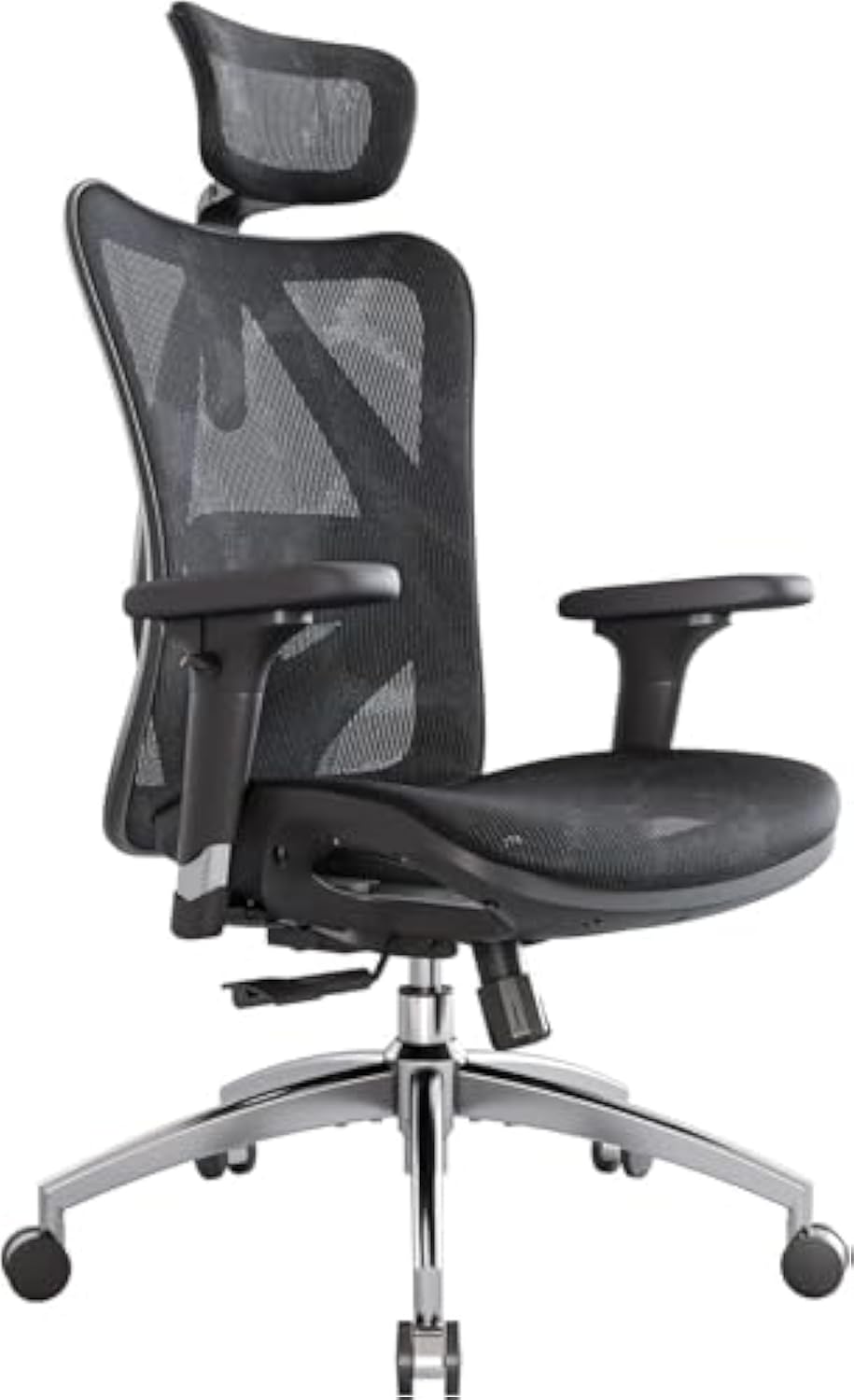
The most-reviewed chair in this category. It offers 4-way lumbar adjustment — up, down, in, and out — the most of any chair in our lineup. One reviewer at 5’4” and 120 lbs said the lumbar is “just enough support without being obtrusive” on the shallowest setting.
At 300 lbs, another confirmed the chair handles his weight without creaking.
Full mesh construction — both seat and back — keeps users cool during 8-10 hour work sessions. Unlike the Marsail and TRALT which have cushion seats, the SIHOO M57 is mesh-on-mesh, which breathes better but offers less plushness. The 3D armrests and headrest make it the most adjustable chair under $200.
The lumbar pad is a hard plastic block that does not pivot. This is the most polarizing feature — some reviewers love it, others call it “terrible” and say it “pokes in the back”. The pad edge presses into your back rather than the entire surface making contact.
Seat is narrow — not designed for wide frames. At 5’6”, one reviewer’s feet floated off the ground at the lowest setting.
Back does not recline to 90 degrees — the angle always pushes compression into the lower back when sitting upright. This undermines the lumbar support for users who prefer a vertical posture.
Verdict: The most popular mid-range chair with lumbar support, but the hard plastic lumbar pad is a gamble — try it with a return window.
5. COLAMY High Back Executive Office Chair — Best Inflatable Lumbar ($170)
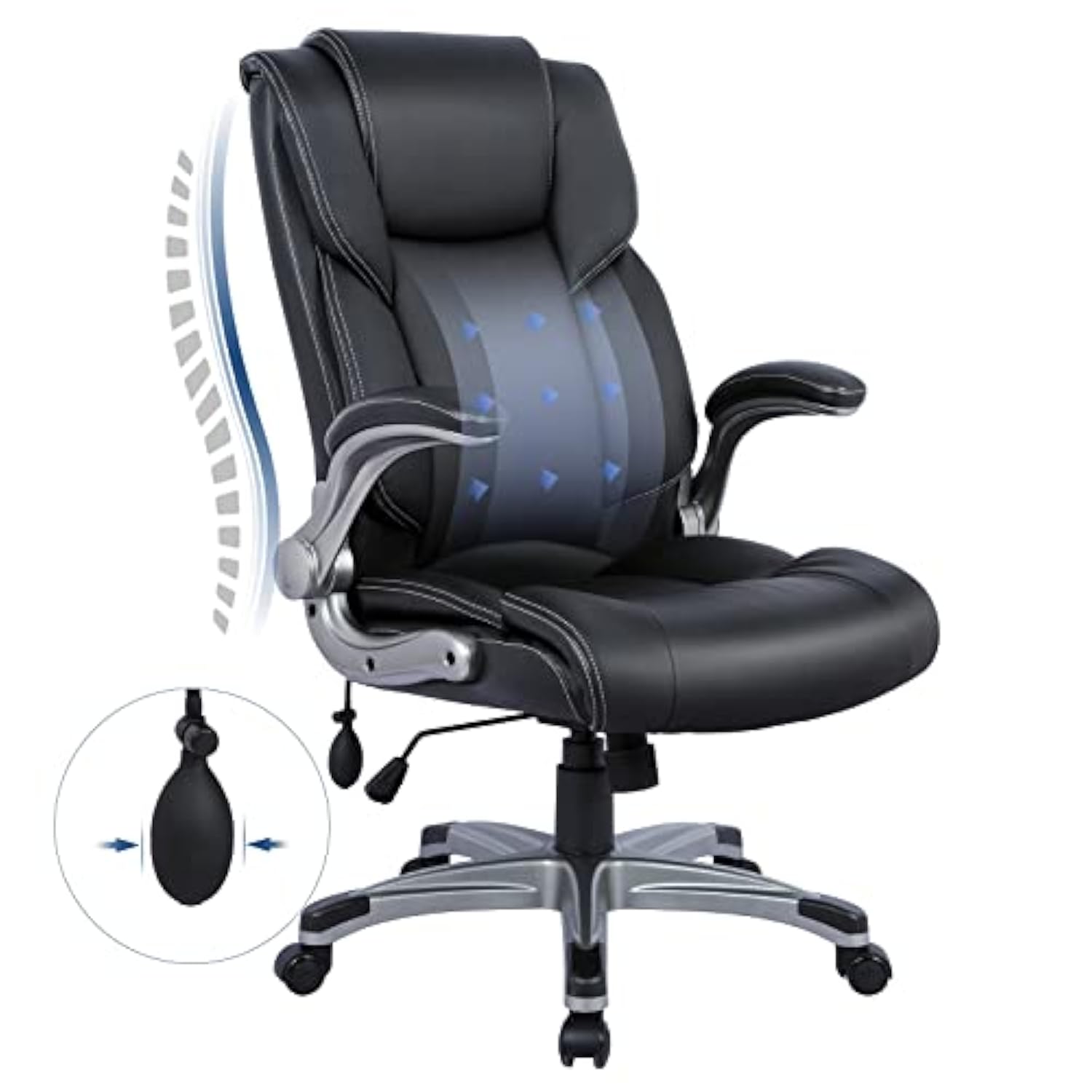
The only chair with an inflatable lumbar support pump — you can dial in exact pressure with a squeeze bulb. The “lumbar support pump works great” for users who want precise control. At 5’11” and 200+ lbs, one reviewer said the chair “fits and feels great” with solid construction.
The executive leather look makes it suitable for home offices where appearance matters. At $170, it competes with mesh chairs on features while offering a different aesthetic.
Seat is too deep for shorter users — at 5’7”, one reviewer had to sit on the front edge to type comfortably. The back leans too far and is not adjustable, making the lumbar support unusable for anyone who cannot reach it while typing.
Build quality questions remain — the lumbar pump’s long-term durability is untested by reviewers. Assembly instructions are barebones with a confusing final step.
At 6’2” and 240 lbs, one reviewer found the distance from seat front to back “a little short” despite the deep seat. This suggests the seat shape may not suit any body type perfectly.
Verdict: A unique option for users who want adjustable lumbar pressure. But the seat depth makes it unusable for anyone under 5’9”.
6. HON Ignition 2.0 Mid Back Task Chair — Best Commercial Grade ($413)
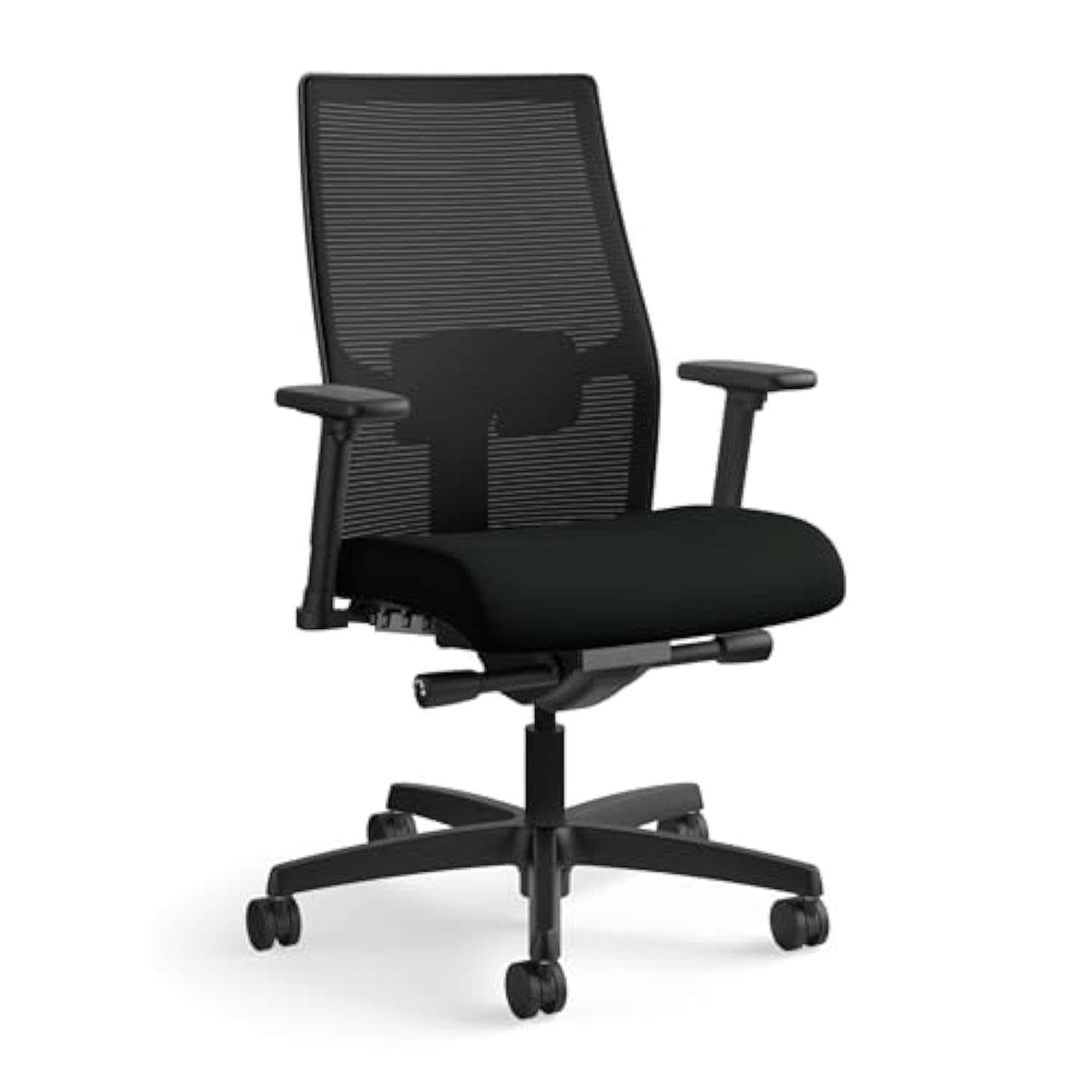
The most commercial-grade chair in our lineup with synchro-tilt, adjustable seat depth, and height-adjustable lumbar. At 6’3”, one reviewer said the “lumbar support at the highest setting is perfect”. Another at 6’4” and 230 lbs confirmed it works after a 1-4 week break-in period.
The seat slides forward so your back stays supported — a feature not found in cheaper chairs.
Assembly takes 10 minutes if you follow the video tutorial instead of the paper instructions. The build quality is “heavy-duty” and designed for ultra-long work days.
Seat cushion is extremely firm — one reviewer called it a “two hour chair at most”. Under 145 lbs, the cushion feels punishing. It needs weeks of use to soften.
Seat is small — “10% smaller than your average office chair”. Anyone over 5’9” or with a medium-plus frame should buy the big and tall version.
Base wheels have sharp edges that nick at heels and have drawn blood. At $413, this is unacceptable.
Value is questionable — multiple reviewers said it “would be worth it at $250” but not at the current price. At $413, the TRALT at $170 delivers comparable lumbar support.
Verdict: A solid commercial chair if you can find it on sale. At full price, there are better options for back support.
7. FLEXISPOT ErgoX Premium Ergonomic Office Chair — Best Premium Features ($420)
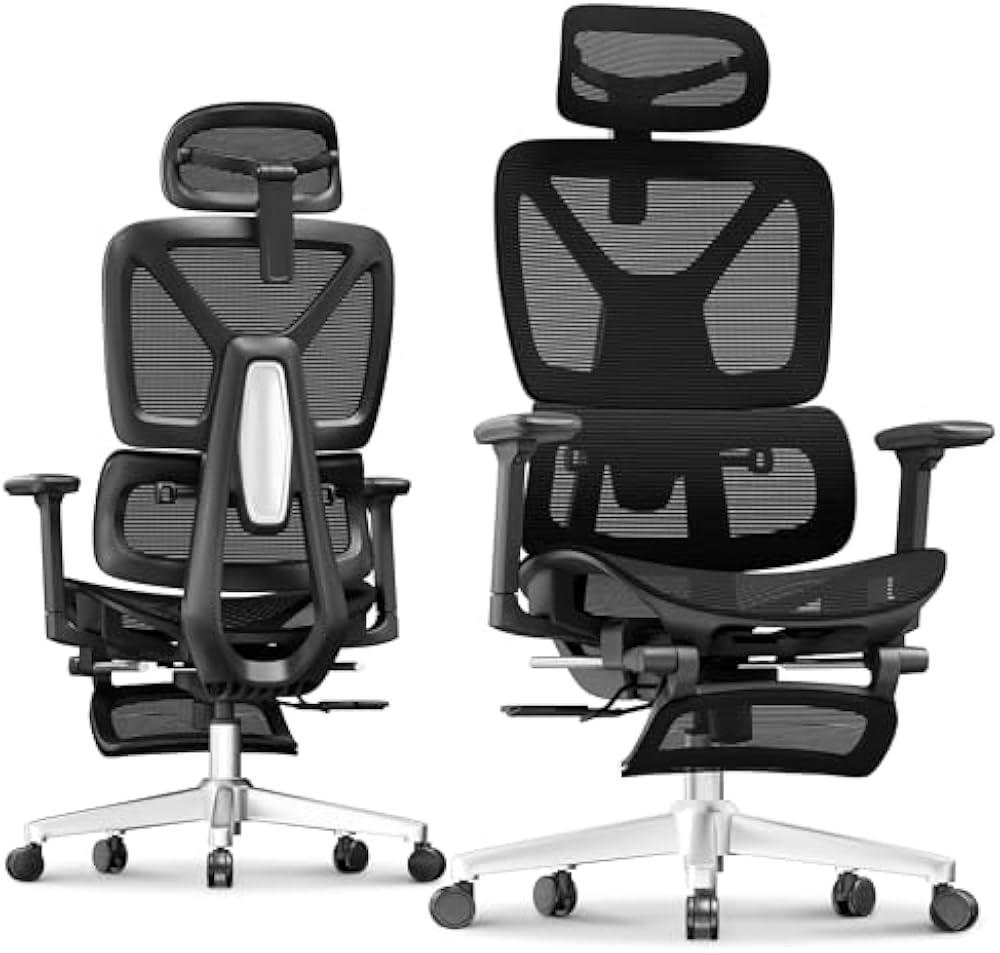
The most feature-rich chair in our lineup with a built-in footrest, recline that locks in any position, and lumbar that adjusts both vertically and for firmness via a knob. One reviewer with severe spine issues said the backrest “helped so much when it comes to sitting at my desk for hours”. At 5’8”, another confirmed the fixed seat height is perfect for her.
The footrest pulls out to a comfortable length, making it ideal for breaks during long work sessions. The dynamic lumbar support makes a noticeable difference for those with chronic back issues.
Seat height is not adjustable — it ships in a fixed position. At 5’7”, one reviewer said the chair is “made for people under 5’ tall”. This is the biggest deal-breaker in the lineup.
Customer service is terrible — one reviewer described a 20-minute call where the representative “repeated the same statement about 20 times” while she was in physical therapy due to the chair. Do not buy this chair if you might need warranty support.
Assembly is rough — armrests require a rubber mallet to install. One unit arrived with a stripped threaded insert from the factory. At $420, quality control should be tighter.
Verdict: Impressive features on paper, but the non-adjustable seat height and poor customer service make it a risky purchase.
8. Vigosit Compact Ergonomic Office Chair — Best for Petite Users ($60)
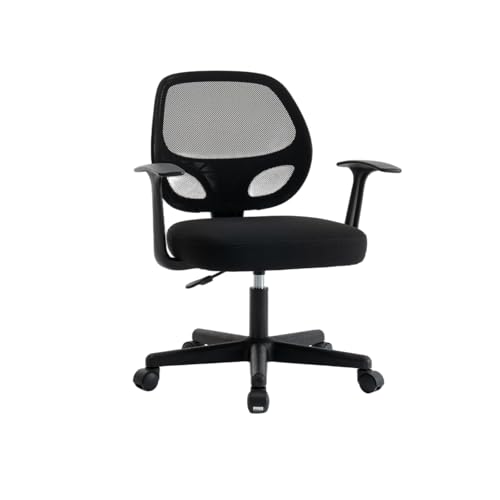
The most popular budget option with 5,000+ reviews and a reputation for durability. One reviewer confirmed a unit held up after two years in a college dorm. The flip-up armrests are a standout feature — “love that the arm rests turn up and out of the way”.
Assembly takes under 30 minutes. At 5’3”, one reviewer confirmed it fits petite frames well.
Lumbar support is essentially non-functional — this is the critical finding. “Lumbar support looks good but it’s just for show — doesn’t provide any meaningful support”. Another said it is “pretty non-existent, I don’t even feel it”. A third “never noticed any difference with any of the adjustments for back support”. For an article about the best lumbar support office chair, this is a serious problem.
Seat cushion flattens quickly — “cushion started wearing down after a couple weeks”. At any weight over 90 lbs, the padding is insufficient for extended sitting.
Only comfortable for 2-4 hours — one reviewer said “my legs start to hurt after 2 hours and my back after 4”. Another called it “absolutely AWFUL for your lower back”.
Not suitable for users over 6 feet.
⚠️ Not recommended if lumbar support is your priority. Three reviewers confirmed the lumbar pad provides no meaningful support.
Verdict: A durable budget chair for petite users doing light work. But the lumbar support is non-functional — do not buy this if back support is your priority.
How to Choose the Best Lumbar Support Office Chair
Lumbar Adjustability: The Single Most Important Feature
Lumbar support comes in four types, and they perform very differently. Height-only adjustment (FelixKing, Vigosit, HON Ignition) moves the pad up and down but cannot change how far it pushes into your back. Height plus depth adjustment (TRALT, SIHOO M57) lets you dial in both position and pressure — this is the gold standard.
Inflatable lumbar (COLAMY) offers the most precise pressure control but depends on pump durability. Dynamic lumbar with a firmness knob (FLEXISPOT) adjusts resistance automatically but is locked to one position.
The review data is clear: chairs with depth-adjustable lumbar consistently outperform height-only options. The TRALT and SIHOO M57 lead here, while the Vigosit’s lumbar is “just for show”.
Body Type Fit: Your Height and Weight Determine Which Chair Works
Seat depth is the hidden constraint most buyers miss. The COLAMY swallows anyone under 5’9” — the seat is so deep that shorter users must sit on the edge, making the lumbar support unreachable while typing. The HON Ignition 2.0 is 10% smaller than average and unsuitable for anyone over 5’9” or with a medium-plus frame.
For larger users over 250 lbs, the Marsail (tested by a 275 lb user at 6’2”) and SIHOO M57 (tested by a 300 lb user) are the safest bets. The FelixKing works well for average and smaller frames but may feel cramped for tall users.
For petite users under 5’4”, the Vigosit fits best despite its weak lumbar. The FLEXISPOT’s non-adjustable seat height is perfect for users around 5’2”-5’8” but unusable for anyone taller.
Budget vs Real Lumbar Performance
At $110, the FelixKing provides basic adjustable lumbar that reduces back fatigue for mild needs. At $170, the TRALT delivers genuine height-plus-depth adjustment that rivals chairs costing ten times more. At $413, the HON Ignition 2.0 offers commercial build quality but not proportionally better lumbar support — reviewers said it would be worth $250 at most.
The sweet spot for back support is the $170-190 mid-range. Both the TRALT and SIHOO M57 outperform the $400+ options in lumbar adjustability. Spending more buys commercial durability, not better back support.
Material Choice: Mesh vs Cushioned Seat for Long Hours
Full mesh chairs (SIHOO M57, FLEXISPOT) breathe best in warm climates but some users report the seat foam can sag after months of heavy use. Chairs with mesh backs and cushioned seats (Marsail, FelixKing, TRALT) offer a middle ground — breathability where your back contacts the chair, comfort where you sit.
The Marsail’s thick cushion makes a measurable difference for back pain sufferers — the reviewer with herniated discs specifically credited the cushion, not just the lumbar support. If you sit 8+ hours daily, a cushioned seat is more forgiving than mesh for the glutes and thighs.
PU leather (COLAMY) looks professional but traps heat. It is suitable for climate-controlled offices where appearance matters more than breathability.
Hours of Use: Match the Chair to Your Schedule
For 2-4 hour sessions, any chair in this lineup works fine. Beyond 4 hours, seat cushion quality becomes critical — the Vigosit’s cushion flattens within weeks and becomes uncomfortable.
For 8+ hour workdays, the Marsail (tested at 8-14 hours by a bar exam student), SIHOO M57 (10+ hours daily), and TRALT (all-day comfort confirmed) are the proven options. The FLEXISPOT adds a footrest for breaks during marathon sessions.
The HON Ignition 2.0 needs a 1-4 week break-in period before it becomes comfortable for full-day use. Do not judge it in the first week.
FAQ
What is the best lumbar support office chair for herniated discs?
The Marsail ($180) is the only chair in our lineup verified by a reviewer with multiple herniated discs. They reported sitting all day without pain aggravation. The thick cushion seat provides additional support that mesh-only chairs cannot match.
The TRALT at $170 is a close second with its adjustable depth lumbar.
Is adjustable lumbar depth really worth it?
Yes. Chairs with depth adjustment (TRALT, SIHOO M57) let you control how far the lumbar pad pushes into your back. This matters because every person’s spine curvature is different.
Reviewers who switched from height-only lumbar to depth-adjustable consistently reported better comfort. The Vigosit has height-only lumbar, and reviewers called it “non-existent”.
Can I use a budget office chair with lumbar support for 8+ hours?
The FelixKing at $110 handles “hours” of use according to reviewers, but no one confirmed full 8-hour days. The Vigosit maxes out at 2-4 hours before leg and back pain starts. For full-time work, the Marsail at $180 is the minimum investment backed by all-day comfort reviews.
Why is the Vigosit included if its lumbar support is weak?
Transparency matters. The Vigosit has 5,000+ reviews and is one of the best-selling budget chairs. Many buyers search for it specifically.
Including it with an honest assessment — that its lumbar is “just for show” — helps buyers make informed decisions. It is a decent chair for light use; it is not a lumbar support chair.
Will the SIHOO M57 lumbar work for sensitive lower backs?
Maybe not. The lumbar pad is a hard plastic block that does not pivot. At 300 lbs, one reviewer found it comfortable.
But at lighter weights, the edge of the pad presses into the back rather than the full surface. If your lower back is sensitive to pressure points, the TRALT’s smoother lumbar adjustment is a safer choice.
How long does the COLAMY inflatable lumbar pump last?
No reviewer has tested it long enough to know. One reviewer asked “how long does the lumbar pump last?” as an open question. The pump works well initially, but durability is unproven.
Budget for replacement if it fails — the chair’s deep seat may make it unusable for you regardless.
Which lumbar support office chair works best for users over 250 lbs?
The Marsail and SIHOO M57 are both tested by users in the 275-300 lb range. The Marsail has a roomier seat, while the SIHOO M57 has a narrower seat but stronger frame. If seat width matters, choose Marsail.
If full mesh breathability matters, choose SIHOO M57.